Flexiv Adaptive Robots Expand Options for Industrial Automation
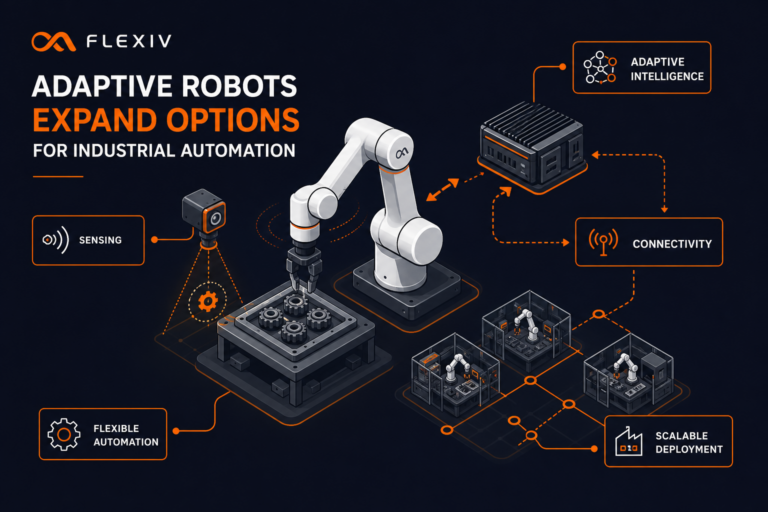
Flexiv’s new Enlight and Mico adaptive robots add force control, tactile sensing and physical AI, with implications for welding cell design, fixturing and human-robot collaboration.
Flexiv’s new Enlight and Mico adaptive robots add force control, tactile sensing and physical AI, with implications for welding cell design, fixturing and human-robot collaboration.
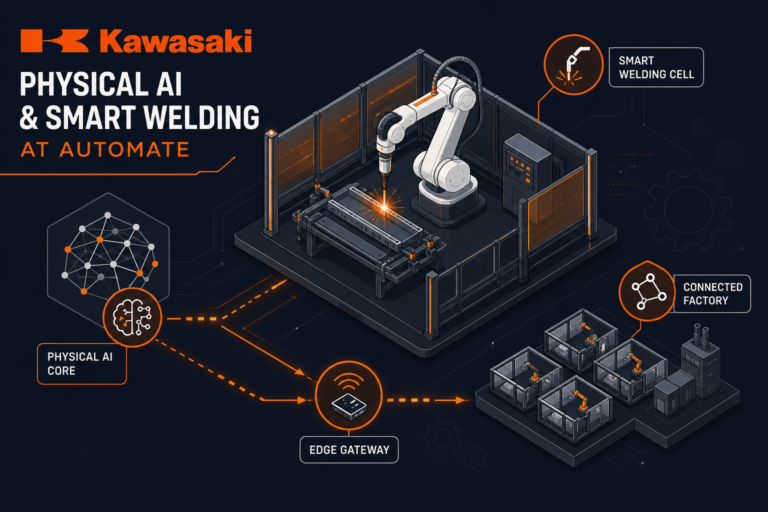
Kawasaki Robotics used Automate 2026 to show how Physical AI, 8-axis robot kinematics, vision and weld inspection could reshape industrial automation and welding cell design.
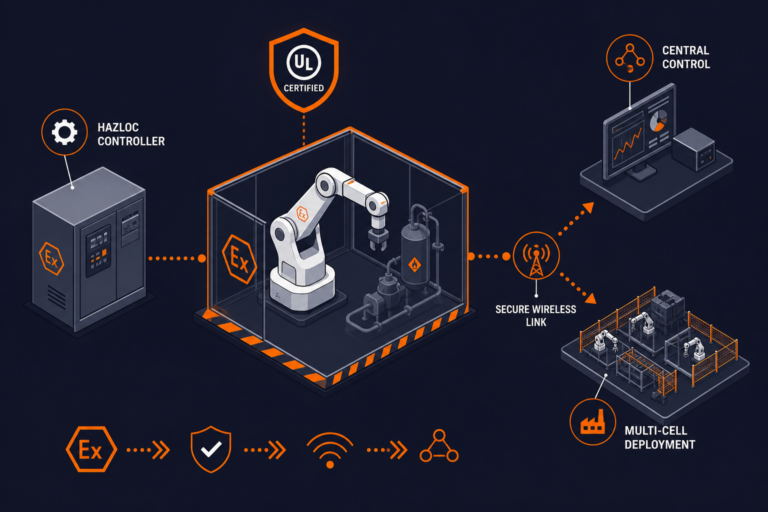
ExRobotics has introduced a UL-certified inspection robot for explosive environments, highlighting how certified mobile robotics could improve safety, uptime, and process visibility in industry.
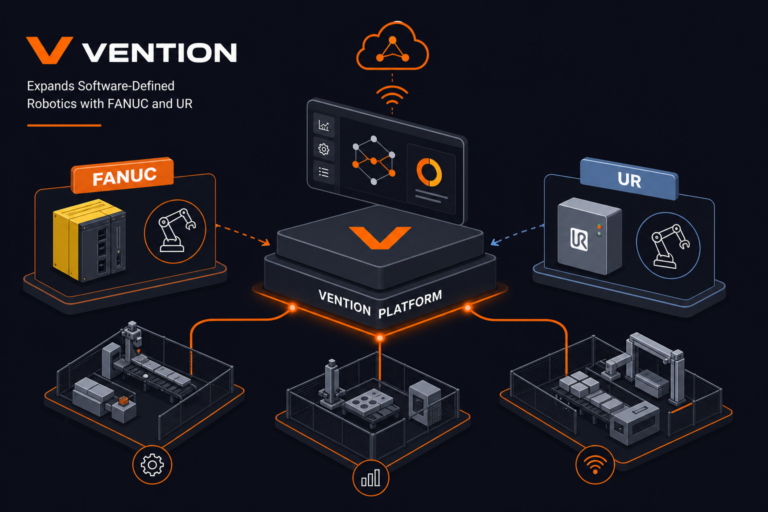
Vention’s collaboration with FANUC and Universal Robots extends software-defined automation from cobots to industrial robots, with implications for welding cell integrators.
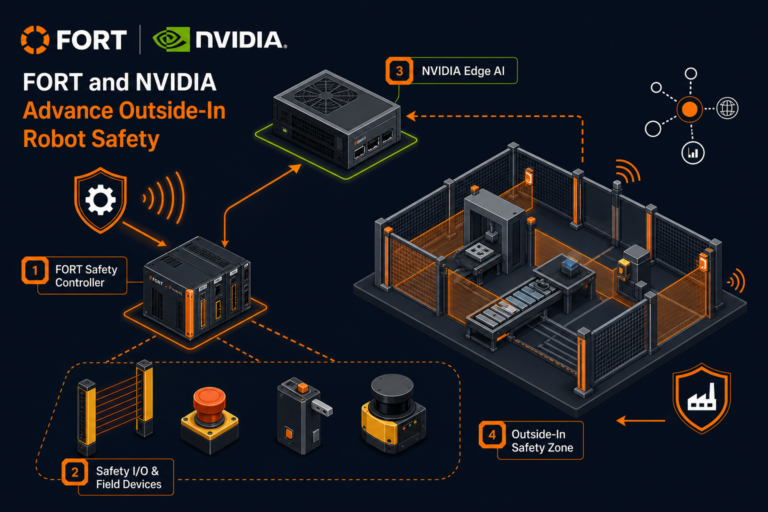
FORT Robotics and NVIDIA have introduced an Outside-In Safety blueprint that uses external sensing and AI to improve autonomous robot safety and uptime in industrial automation.
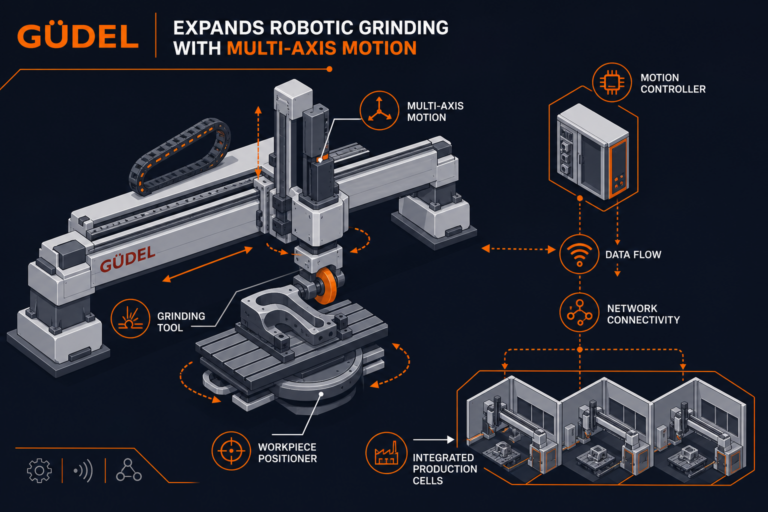
Güdel will present TMV and TMF motion systems at Automate 2026, adding vertical and horizontal travel to robotic grinding and offering lessons for welding cell design.
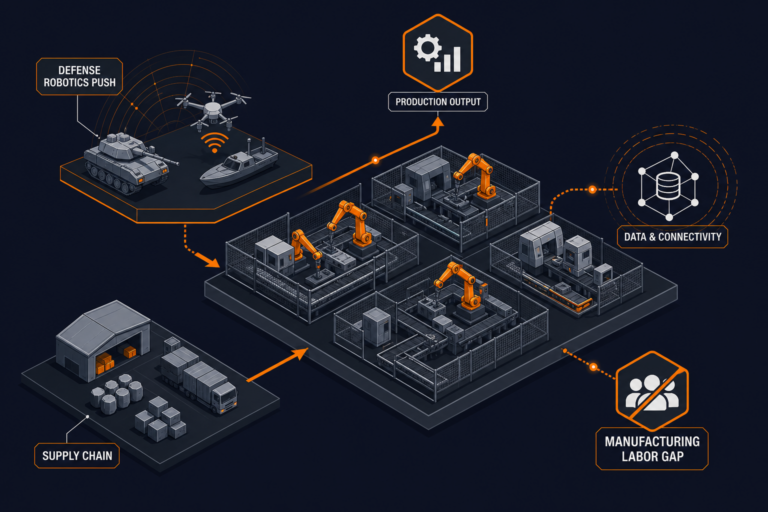
GrayMatter Robotics says autonomous finishing can help address defense manufacturing labor shortages, a signal for integrators designing traceable, flexible robotic cells.
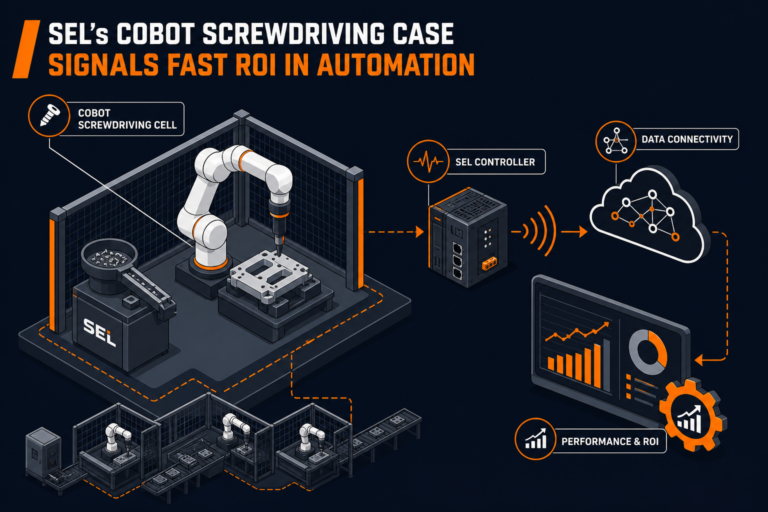
A Robotiq cobot screwdriving cell at SEL cut ergonomic injuries, automated 1.4 million screws a year, and expanded into a wider automation program with sub-one-year ROI.

RealSense’s new D585 Pro depth camera brings higher depth quality and edge AI features that could improve robotic inspection, seam tracking and part handling in automated welding cells.

Reliable backup power is moving from optional to essential in robotic welding and broader automation, as manufacturers seek to prevent downtime, protect equipment and enable safe shutdowns.